Foods
Legumes: The Narrow Truth Dr. Diaa Warns About
Legumes have well-known nutritional benefits, but Dr. Diaa warns against them for specific reasons documented in the medical literature: favism (acute hemolysis in G6PD-deficient individuals after eating fava beans), raw kidney bean lectin poisoning, phytic acid inhibition of iron and zinc absorption, soy phyto-estrogens reaching hormonally concerning levels in infants, peanut anaphylaxis fatalities, and IBS symptoms triggered by FODMAP sugars.
Dr. Diaa's words
Fava beans, lentils, and flour products are toxins that cause inflammation and deteriorate health; legumes trigger autoimmune diseases.
Legumes carry well-known nutritional benefits, and Dr. Diaa does not deny that lentils, chickpeas, and fava beans have nourished civilizations for millennia. But he warns against them for specific reasons documented in the peer-reviewed literature. In his live sessions he stated bluntly that fava beans, lentils, and flour products are 'toxins that cause inflammation,' and that legumes can trigger autoimmune diseases.
The scientific evidence for this warning is narrow but solid. Favism, the acute hemolytic crisis triggered by fava bean ingestion, affects individuals with G6PD deficiency, which Cappellini and Fiorelli (Lancet 2008) describe as the most common human enzyme defect, present in more than 400 million people worldwide, with extraordinarily high prevalence around the Mediterranean and Middle East, including Egypt specifically.
For raw kidney beans, Rodhouse and colleagues catalogued 50 UK poisoning incidents between 1976 and 1989 caused by phytohaemagglutinin. Vasconcelos and Oliveira's Toxicon 2004 review demonstrated that plant lectins survive digestion. Hurrell and Egli established phytic acid as the principal inhibitor of non-heme iron absorption, with iron bioavailability dropping to 5-12% in vegetarian diets compared to 14-18% in mixed diets.
The soy file is more troubling than is commonly admitted. Setchell's landmark Lancet 1997 study found plasma isoflavone concentrations in soy-formula-fed infants 6-11 fold higher than doses with hormonal effects in adults. Peanut leads all food anaphylaxis fatalities: Bock and colleagues analyzed 32 deaths in the US national registry; peanut and tree nuts accounted for more than 90% of fatalities. These are not fringe claims; they are referenced evidence explaining why Dr. Diaa chose to exclude legumes from his Tayyibat system.
What the research shows
7 / 14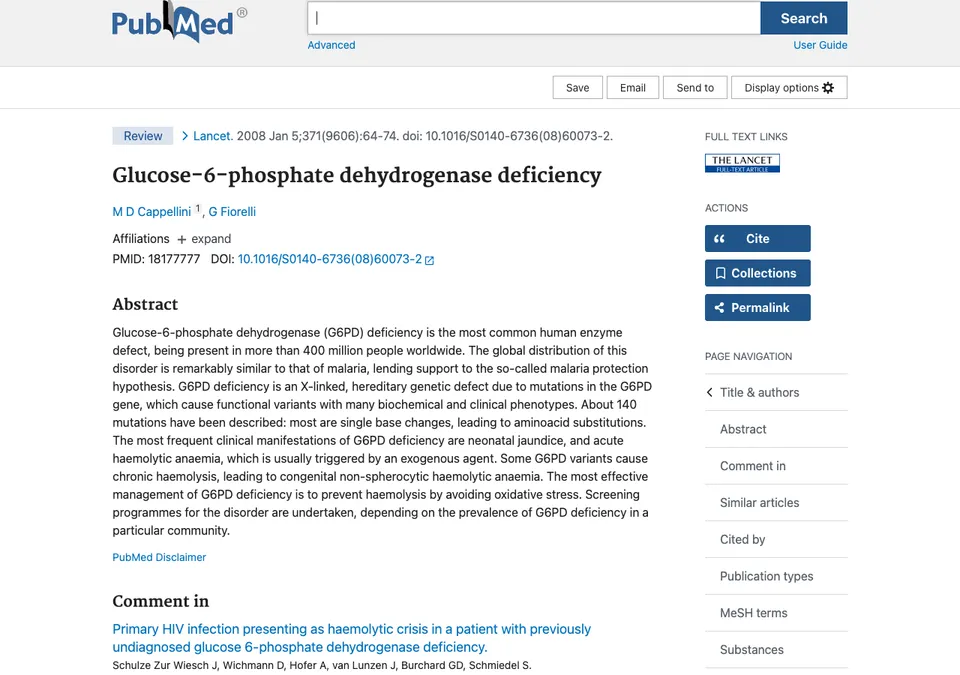
Lancet review: G6PD deficiency affects over 400 million people globally, and fava bean ingestion in susceptible individuals triggers acute hemolytic crises.
G6PD deficiency is the most common human enzyme defect, present in more than 400 million people worldwide. The most frequent clinical manifestations are neonatal jaundice and acute haemolytic anaemia, usually triggered by an exogenous agent.
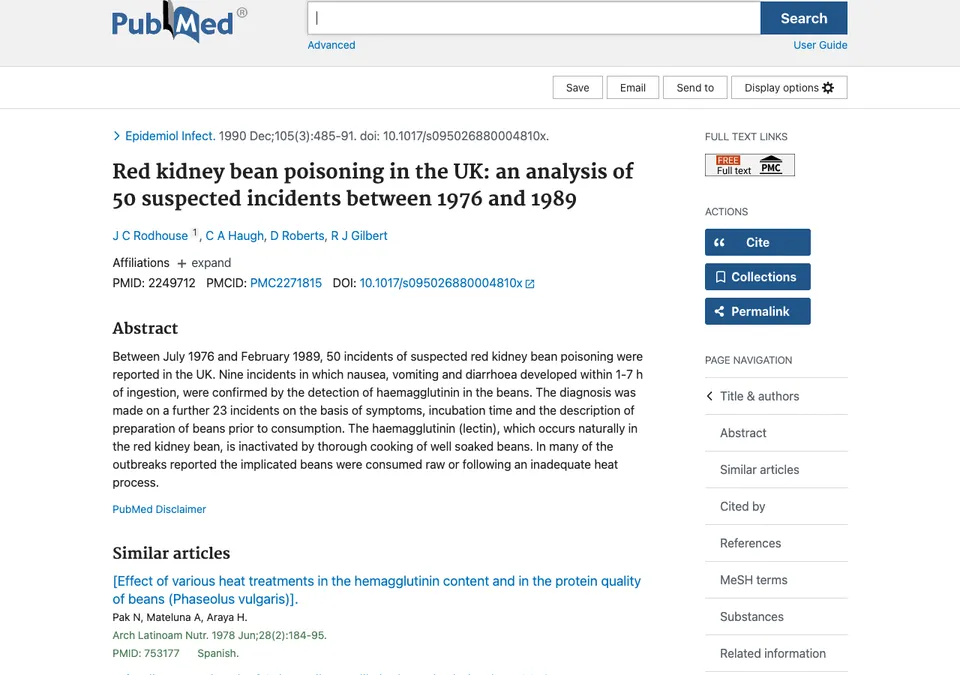
Analysis of 50 UK red kidney bean poisoning incidents (1976-1989) caused by phytohaemagglutinin lectin, with nausea, vomiting, and diarrhea within 1-7 hours.
Between July 1976 and February 1989, 50 incidents of suspected red kidney bean poisoning were reported in the UK. The haemagglutinin (lectin), which occurs naturally in red kidney bean, is inactivated by thorough cooking of well-soaked beans.
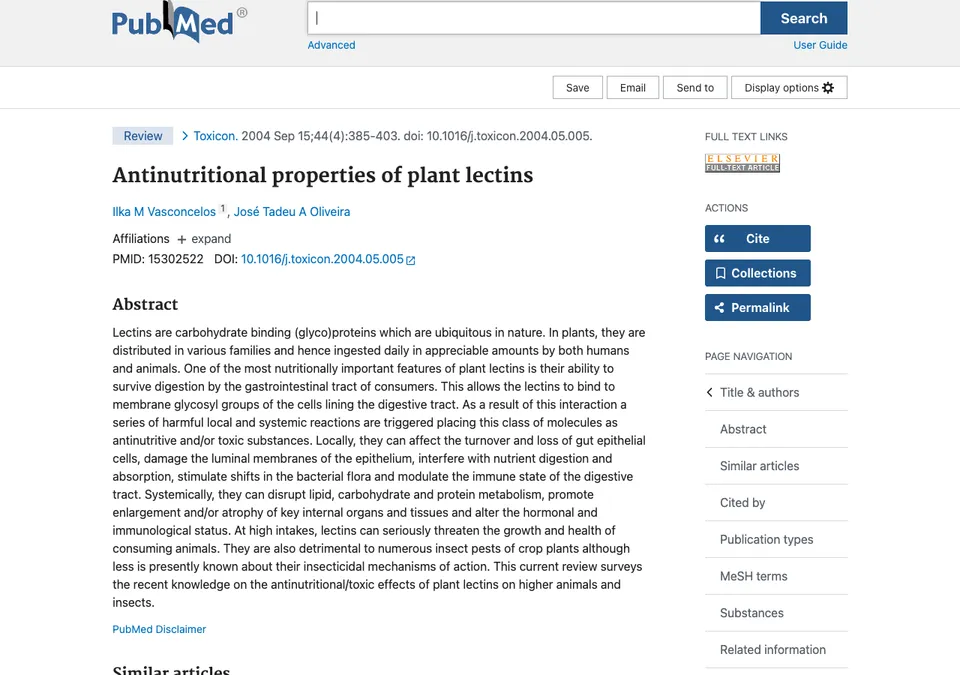
Comprehensive Toxicon review: plant lectins survive digestion, bind to intestinal cells, disrupt lipid/carbohydrate/protein metabolism, and at high doses cause organ enlargement/atrophy.
Plant lectins survive digestion by the gastrointestinal tract, allowing them to bind to membrane glycosyl groups of cells lining the digestive tract. At high intakes, lectins can seriously threaten the growth and health of consuming animals.
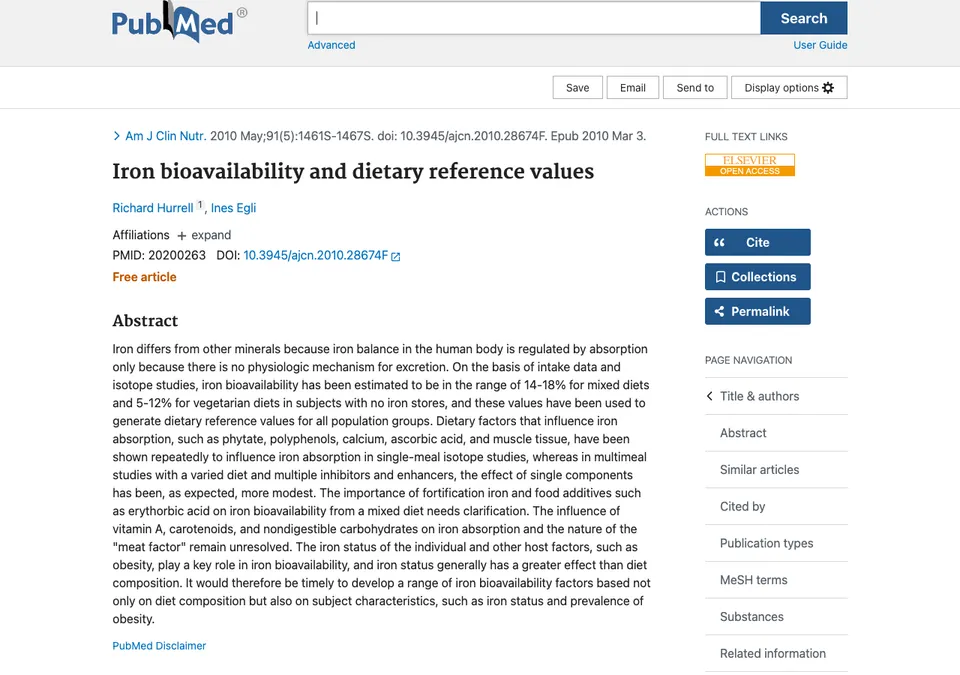
Phytate-rich plant foods reduce iron bioavailability; iron absorption is 5-12% from vegetarian diets versus 14-18% from mixed diets.
Iron bioavailability has been estimated to be in the range of 14-18% for mixed diets and 5-12% for vegetarian diets. Dietary factors that influence iron absorption, such as phytate, polyphenols, calcium and ascorbic acid, have been shown repeatedly to influence iron absorption.
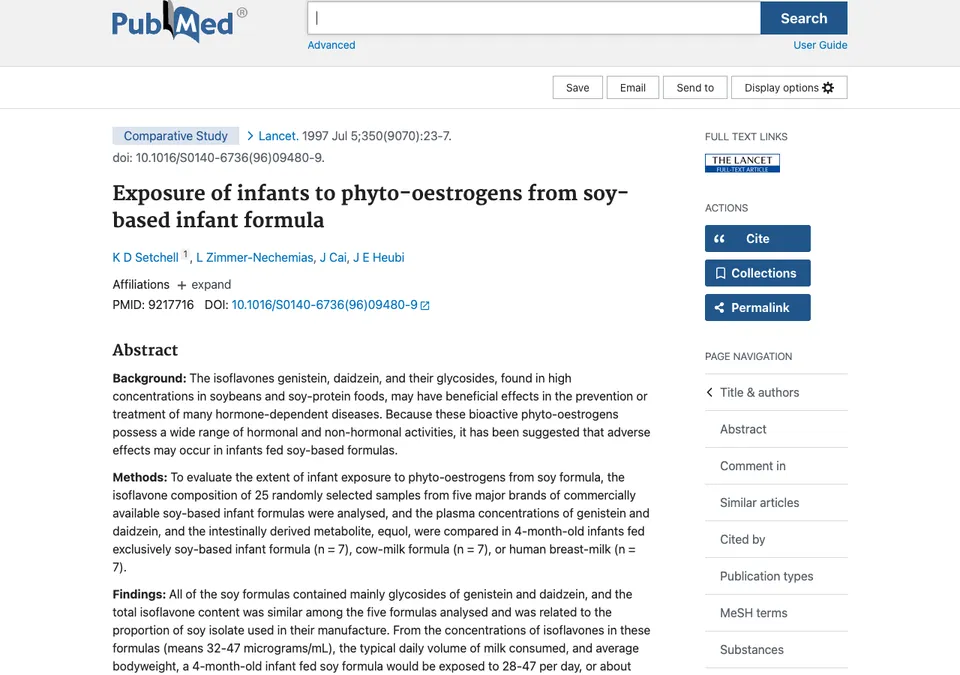
Infants fed soy-based formula receive isoflavone doses 6-11 fold higher than hormonally active doses in adults.
The daily exposure of infants to isoflavones in soy infant-formulas is 6-11 fold higher on a bodyweight basis than the dose with hormonal effects in adults. Circulating concentrations of isoflavones in the seven infants fed soy-based formula were 13,000-22,000 times higher than plasma oestradiol concentrations in early life.
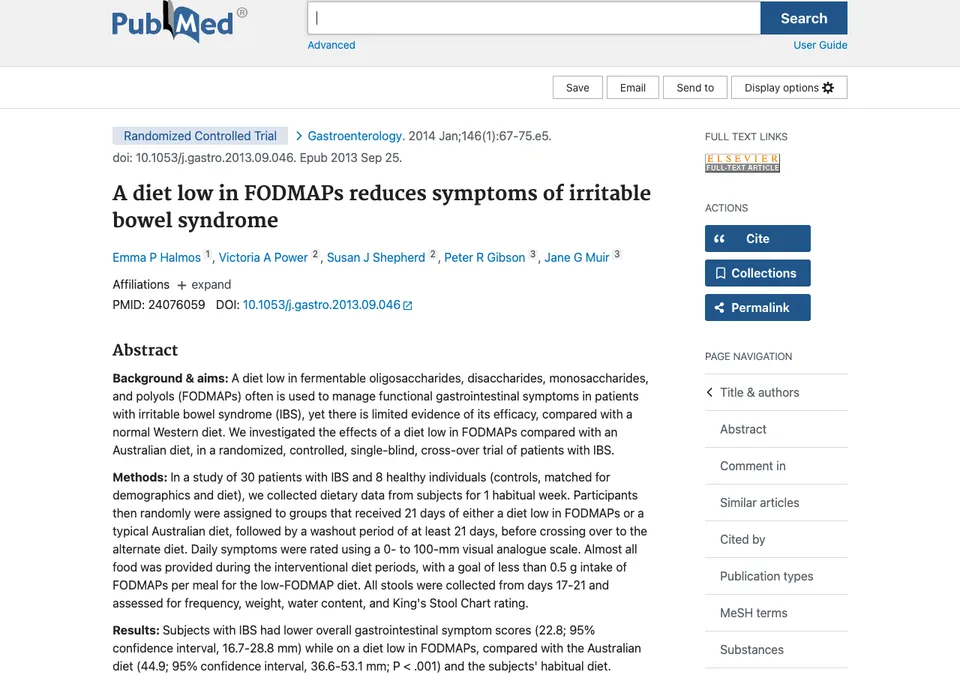
Randomized crossover trial: legumes (a major GOS source) trigger bloating, abdominal pain, and gas in IBS patients; low-FODMAP diet substantially reduced symptoms.
Subjects with IBS had lower overall gastrointestinal symptom scores (22.8; 95% CI 16.7-28.8 mm) while on a diet low in FODMAPs, compared with the Australian diet (44.9; 36.6-53.1 mm; P<.001). Bloating, pain, and passage of wind were also reduced.
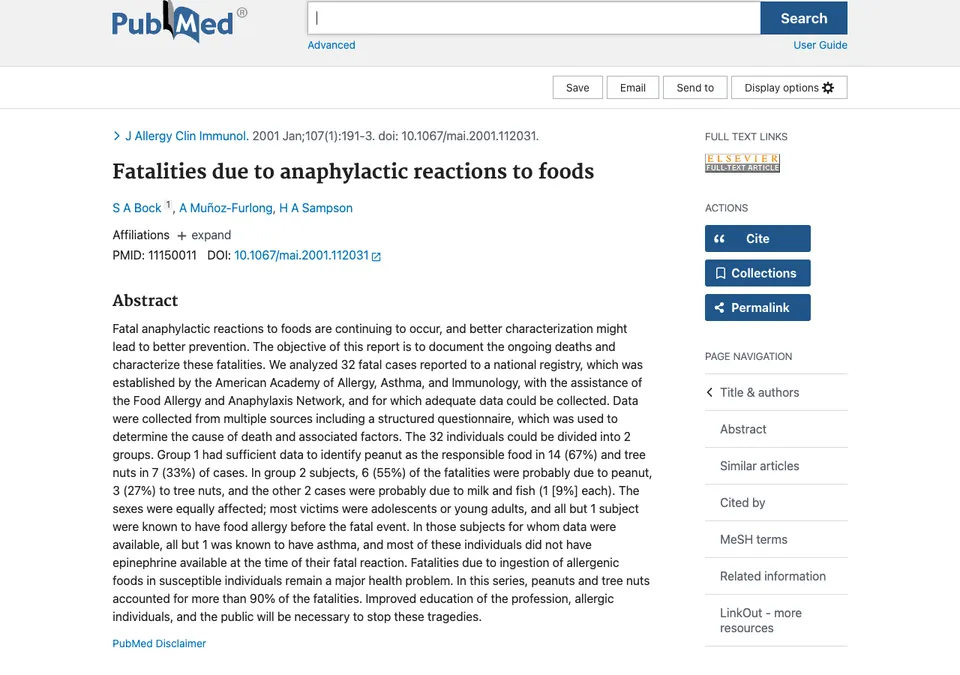
Of 32 food anaphylaxis deaths in the US national registry, peanut and tree nuts accounted for more than 90% of fatalities.
32 fatal cases reported to a national registry established by the American Academy of Allergy, Asthma, and Immunology. In this series, peanuts and tree nuts accounted for more than 90% of the fatalities.